Allergy-Safe Bottle Feeding: Use What You Own
26th Jan•5 min read
Your baby's feeding rhythm depends on more than just the nipple size printed on the box. Temperature impact on bottle flow is a physics issue hiding inside your diaper bag (and it's one of the easiest variables to control once you see it). When milk temperature shifts, so does how fast it flows through the nipple hole. That changes comfort, pace, and whether your baby feeds calmly or pulls away in frustration.
You may have noticed your baby feeds differently from a cold bottle versus a warm one, or that feeding times shift between morning and evening. That's not your imagination. It's fluid dynamics meeting infant feeding. I once sat on the floor at 3 a.m. mapping a feed on sticky notes: warm the milk, check nipple size, burp at 30 mL, switch sides. The moment I matched flow to our baby's pace, the crying eased. The temperature variable matters more than I expected. Once I began warming milk to a predictable temperature, feeds became consistent. Simple steps beat midnight improvisation every time.
This guide walks you through why temperature affects flow, how to measure the difference, and the practical steps to standardize feeding performance so every caregiver (you, your partner, daycare staff) gets the same calm, predictable result.
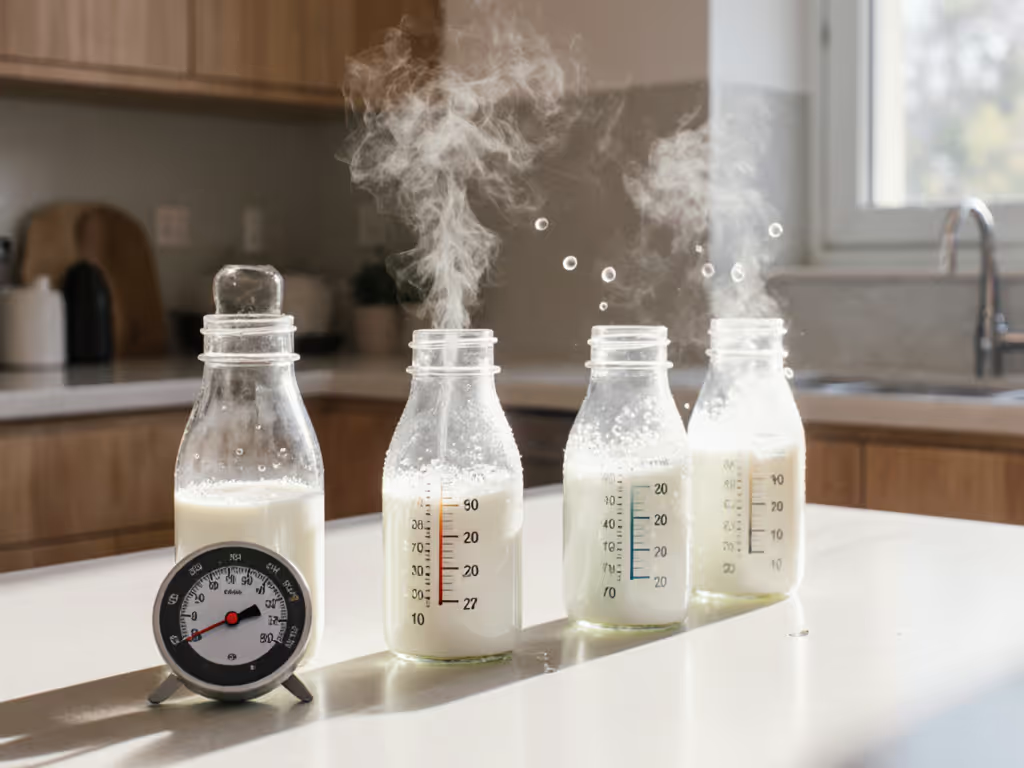
When milk is cold, it's thicker. When it's warm, it moves freely. This is not a chemistry surprise, it's basic physics. Cold milk flow challenges exist because cold liquids have higher viscosity, meaning they resist flowing through the narrow opening in a bottle nipple. Warmer milk has lower viscosity and flows more easily.
Why this matters to your baby: If your baby's sucking rhythm is calibrated for warm milk flow and you hand them a cold bottle, the milk moves slower. Your baby sucks harder to keep up. That extra effort means more air intake, more swallowing pauses, and often more gas. Understanding how bottle vent systems reduce air intake can further minimize gas when flow slows due to colder milk. The same nipple that felt perfect on a warm bottle feels sluggish on a cold one.
Conversely, milk warmed above the safe threshold (104°F / 40°C) doesn't flow faster in a way that helps, it risks damaging the nutrients your baby needs[2][3][4]. The goal is not maximum temperature. It's consistency.
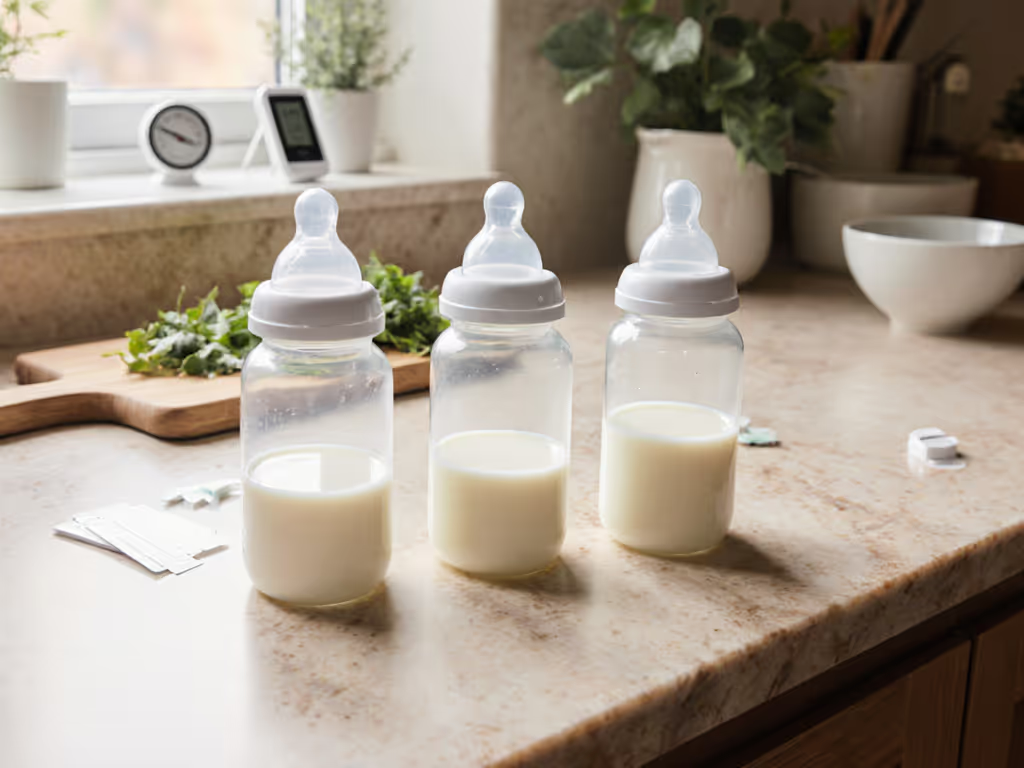
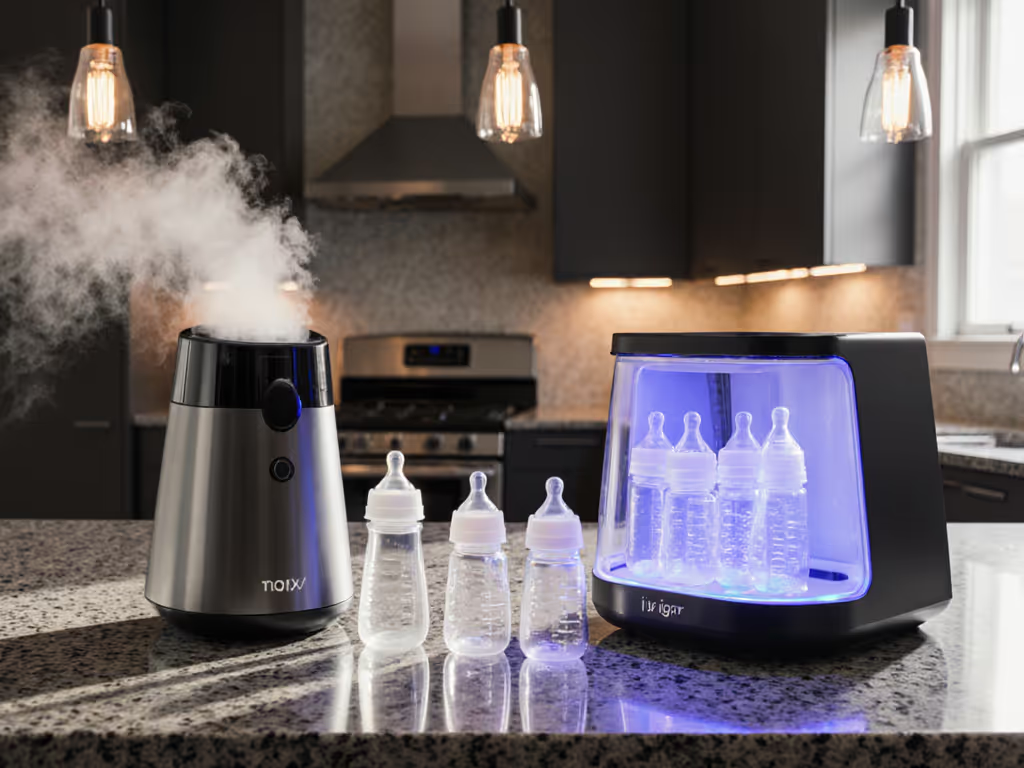
Pick one warming method and stick with it for at least three days. Track the temperature each time. For tools that make this easy, see our guide to reliable bottle temperature indicators.
Action checklist:
Clear steps beat guesswork when you're sleep-deprived.
Next action: Write down your "standard warm-up time" (e.g., "5 minutes under hot faucet = 101°F"). You'll use this number as your reference.
Babies have feeding rhythms. Some babies prefer milk closer to body temperature (98.6°F / 37°C); others tolerate room-temperature milk without complaint. Your job is to find where your baby feeds most calmly and fastest.
Action checklist:
What you're looking for:
Next action: Identify the temperature range where your baby feeds most calmly. This becomes your new standard.
Inconsistency is the enemy of calm feeds. If your baby attends daycare, share clear instructions using our daycare bottle protocols checklist to keep warming and serving consistent. If your partner warms milk hotter, daycare uses room temperature, and you do a quick 3-minute warm-up, your baby gets three different flow experiences in one day. That confusion shows up as unpredictable feed times and inconsistent intake.
Action checklist:
Why this matters: When every caregiver hits the same temperature, your baby's consistent feeding performance becomes predictable. Feeds take similar time. Intake per session stabilizes. You can track whether weight gain is on track without wondering if variation is from flow inconsistency or your baby's appetite.
Sometimes feeding pace shifts unexpectedly. Before assuming your baby's hunger changed, check the temperature variable first. It's the easiest thing to reset.
Quick diagnostic:
Next action: If you identify temperature as the culprit, re-warm and note the time. If flow remains unchanged, move on to ruling out nipple fit or latch positioning.
Your baby's sucking strength changes as they grow. Around 4 to 6 weeks, many babies become stronger pullers. Around 4 months, they may prefer slightly faster flow. If you've locked in your warming routine but suddenly feeds feel off, your baby's development (not your technique) may have shifted. When that happens, use our nipple flow guide to decide if it’s time to move up a stage instead of raising temperature.
Action checklist:
Shrink the choices, follow the steps, breathe through feeds. Your immediate action is this:
Once you anchor one consistent temperature, feeding becomes predictable. Your baby knows what to expect. Every caregiver delivers the same experience. That consistency is what turns feeding into a routine instead of a puzzle you're solving at 3 a.m.
If your baby coughs, falls asleep too quickly, or feeds much faster than usual, temperature is the first thing to check, not the last. It's the simplest variable to control, and controlling it reduces so much guesswork.