Baby Bottle Evolution: How Innovations Solved Feeding Challenges
31st Mar•7 min read
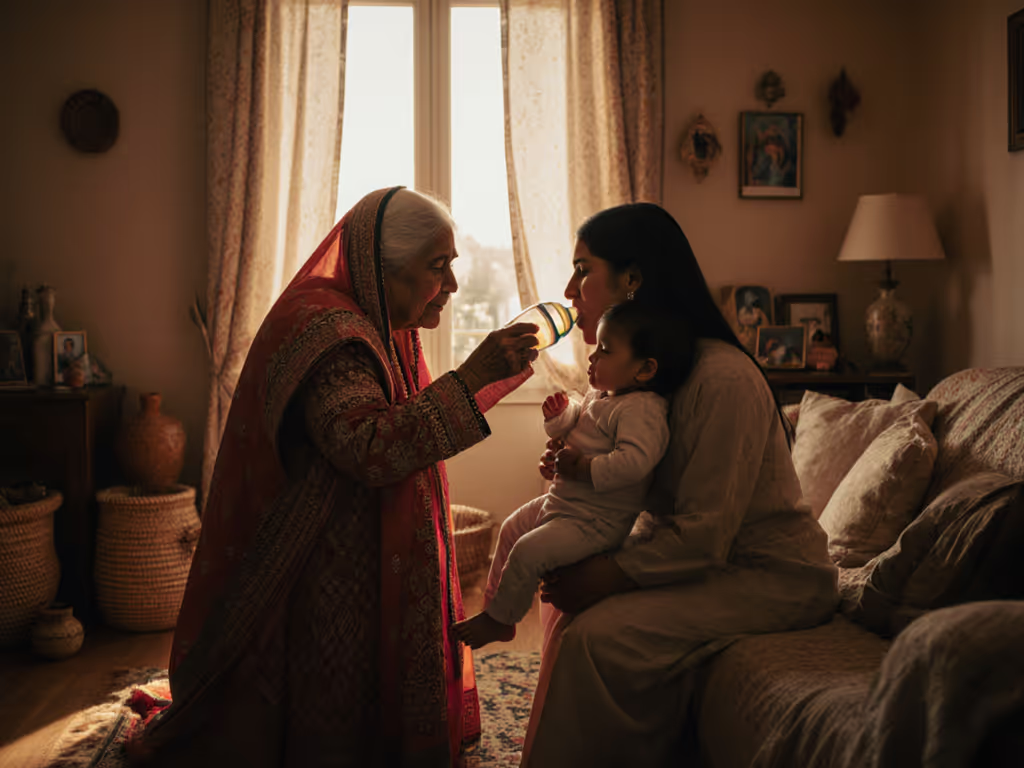
When families ask about the best bottle feeding approach, my response begins with a simple truth: comfort cues predict acceptance better than labels or marketing tiers. True inclusive feeding practices honor each baby's unique rhythm and every caregiver's role at the feeding table. Whether you're a first-time parent, part of a same-sex couple navigating feeding schedules, or a caregiver supporting multiple infants with different needs, comfort-first feeding creates calmer, more connected experiences.
Comfort first, then compatibility; calmer feeds shape better habits.
Many parents arrive with frustration: "Level 1 nipples are too fast," "slow flow bottles cause gagging," or "my baby takes bottles differently with different people." These aren't failures; they're signals. For step-by-step techniques that follow your baby's cues, see our responsive bottle feeding guide. Inclusive feeding starts with observing what's happening in the moment, not comparing to marketing claims or other babies' experiences.
Two babies in my care demonstrated this perfectly (one relaxed only with wider latch angles and slower flow, while the other needed narrower teats and faster pacing). Watching them find calm taught me that comfort cues transcend labels. When you notice your baby:
That means you've found alignment. These aren't assumptions about "good feeding" but observable cues that comfort is being met.
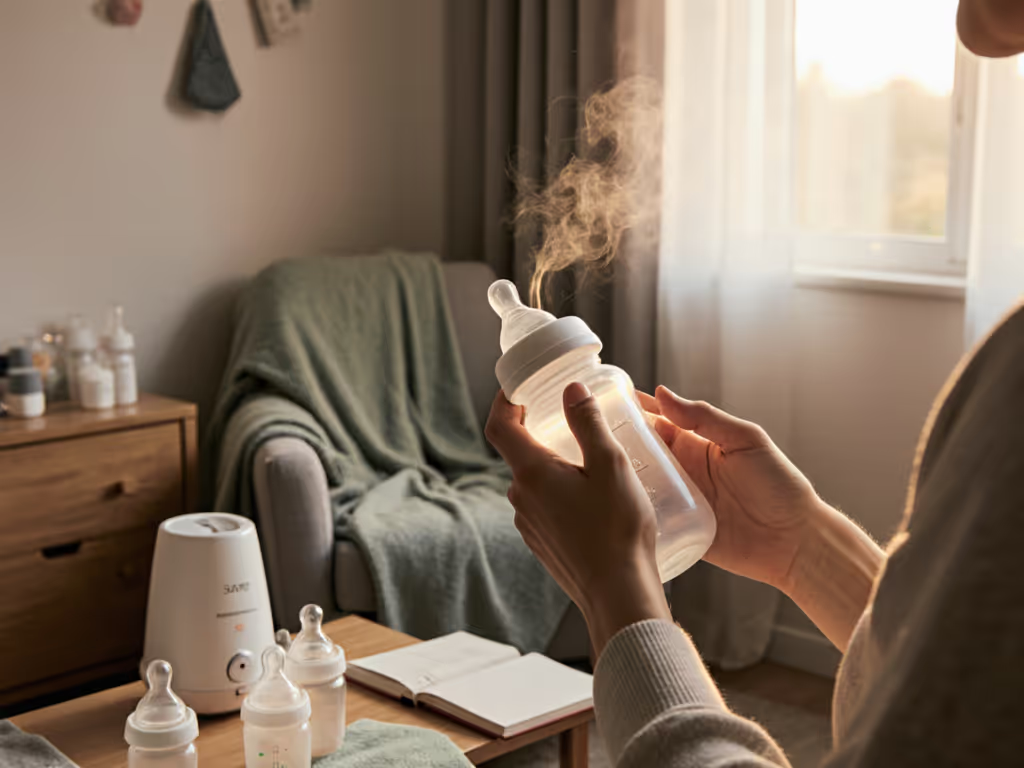
Before changing equipment, document two full feeds in a quiet space. Note:
This isn't about timing perfection but identifying your baby's innate pace. One caregiver I worked with discovered her toddler-room colleague's baby needed 3-second pauses between swallows (something missed in rushed feeds). When they honored this rhythm, feeding time decreased by 40% with less spit-up.
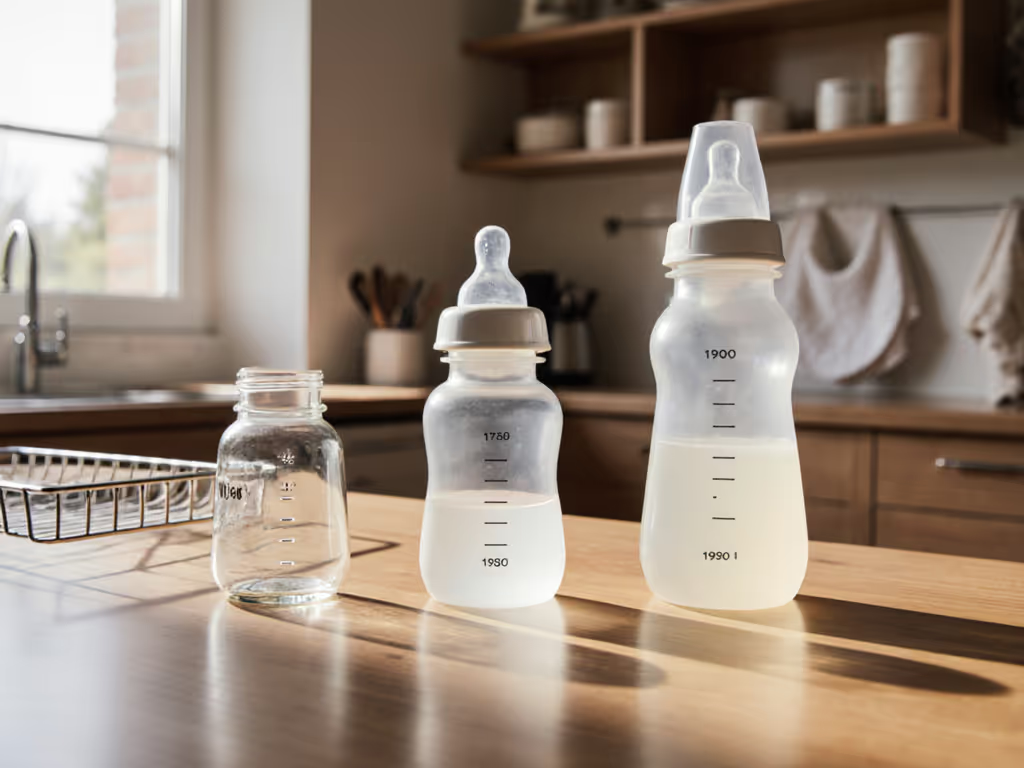
Nipple shape matters more than flow label. Get a deeper overview of shapes, sizes, and flow transitions in our nipple guide for parents. Try these single-change experiments:
One change at a time. Track results for 2-3 feeds before adjusting again.
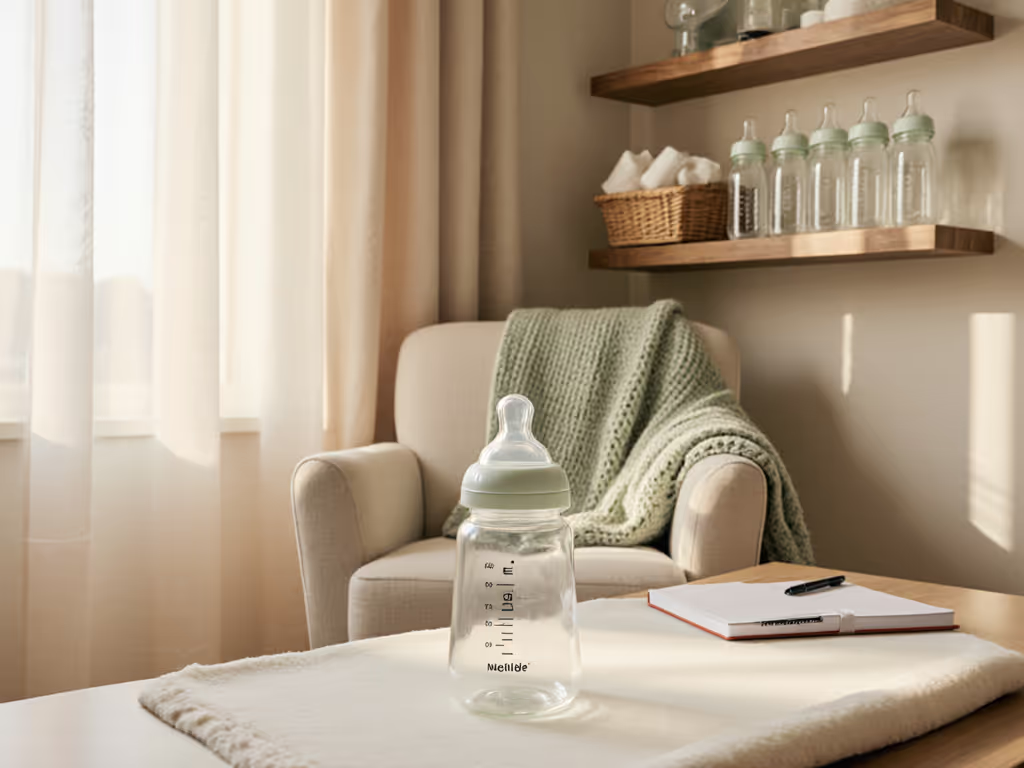
Gender-neutral bottle designs often excel here: many modern options eliminate "boy/girl" color coding and focus instead on functional geometry that accommodates diverse mouth shapes. Look for bottles with clear labeling of nipple dimensions rather than suggestive imagery.
Inclusive positioning considers both baby and caregiver anatomy. Try these adjustments:
Breaking bottle feeding gender stereotypes starts with language: "Who's feeding today?" instead of "Mommy's turn." Inclusive feeding language describes actions without assigning gender roles ("the person holding baby" rather than "daddy" or "mommy").
Inconsistent flow labels across brands cause 68% of bottle refusal cases (per 2025 pediatric feeding study). Instead of trusting "newborn" labels:
Non-binary parenting bottle tips often emphasize neutrality in this process, focusing on function over form. One caregiver couple I supported standardized on vented bottles with measurement markings rather than color-coded nipples, eliminating confusion among multiple feeders.
Inclusive feeding practices extend beyond equipment: they are about creating environments where all caregivers feel equipped. When daycare centers adopted comfort-first approaches detailed in PHFE WIC resources, bottle refusal incidents dropped 32% in the first six months. Set up safe handoffs with our daycare bottle protocols guide. Key shifts included:
For LGBTQ+ parents and adoptive families, inclusive feeding language becomes especially powerful. Phrases like "who fed baby last" instead of "mom" create seamless transitions between caregivers. When bottles use gender-neutral designs with clear volume markings, grandparents and daycare staff can participate confidently without questioning roles.
Choose just one observation point from Step 1 to document during your next three feeds. Track whether baby pauses with lips sealed or gulps continuously. This single data point will reveal more about your baby's needs than any "best bottle" list.
Comfort isn't a destination; it's a continuous dialogue. When we honor each baby's unique signals, we create space for calmer feeds, happier caregivers, and feeding experiences that truly meet everyone at the table.
One change at a time.